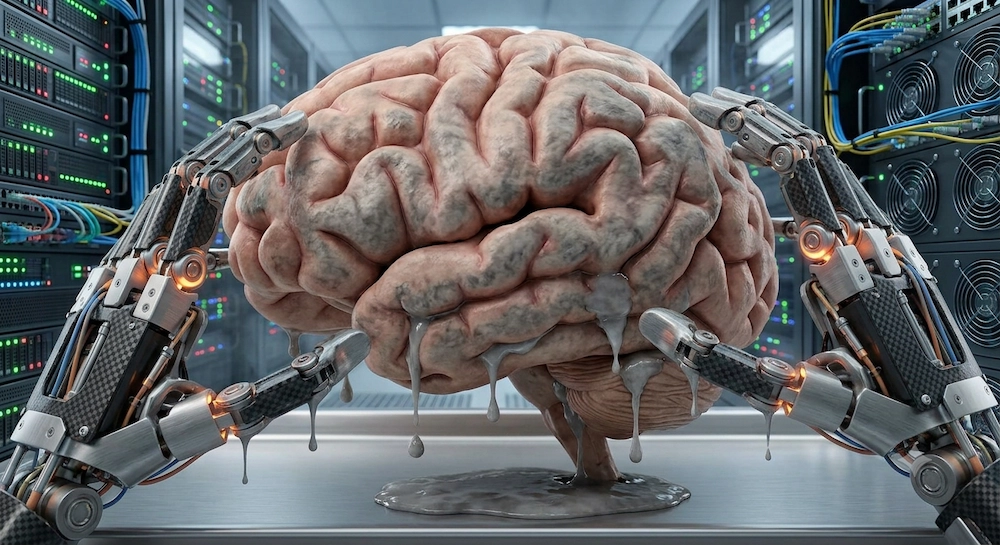
What overusing AI did to my focus, and how I fixed it.
For a while I used AI for almost everything. The short-term gains were real. The long-term cost showed up later.
For a while I used AI for almost everything. The short-term gains were real. The long-term cost showed up later.
I’m a heavy user of AI coding tools, and I like having one around as a coworker. I reach for it when prototyping new ideas, and it has become part of my daily workflow: writing tests, refactoring, exploring unfamiliar APIs, and rubber-ducking a design before I commit to it. On greenfield work it’s borderline magical. You describe what you want, and a clean, coherent project appears. For the last four months, though, I’ve been working on a legacy codebase, and AI coding assistants are far less effective in that setting. The AI behaves very differently there, and pretending otherwise sets you up for frustration. ...

In the 6th century a man named Benedict of Nursia retreated to a cave in Subiaco, Italy. What emerged was a 73-chapter document that has governed monastic life for 1,500 years. Studying his life and rules changed the way I approach software development. It must sound weird at first: how can a 6th century monk influence software engineering? But think about it: the monastery and a codebase have more in common than you’d think. Both are systems requiring constant human cooperation to survive. Both demand discipline without rigidity. Both can collapse under ego, haste, and the illusion of individual brilliance. And both, at their very best, are quiet, humble, daily acts of craft. ...
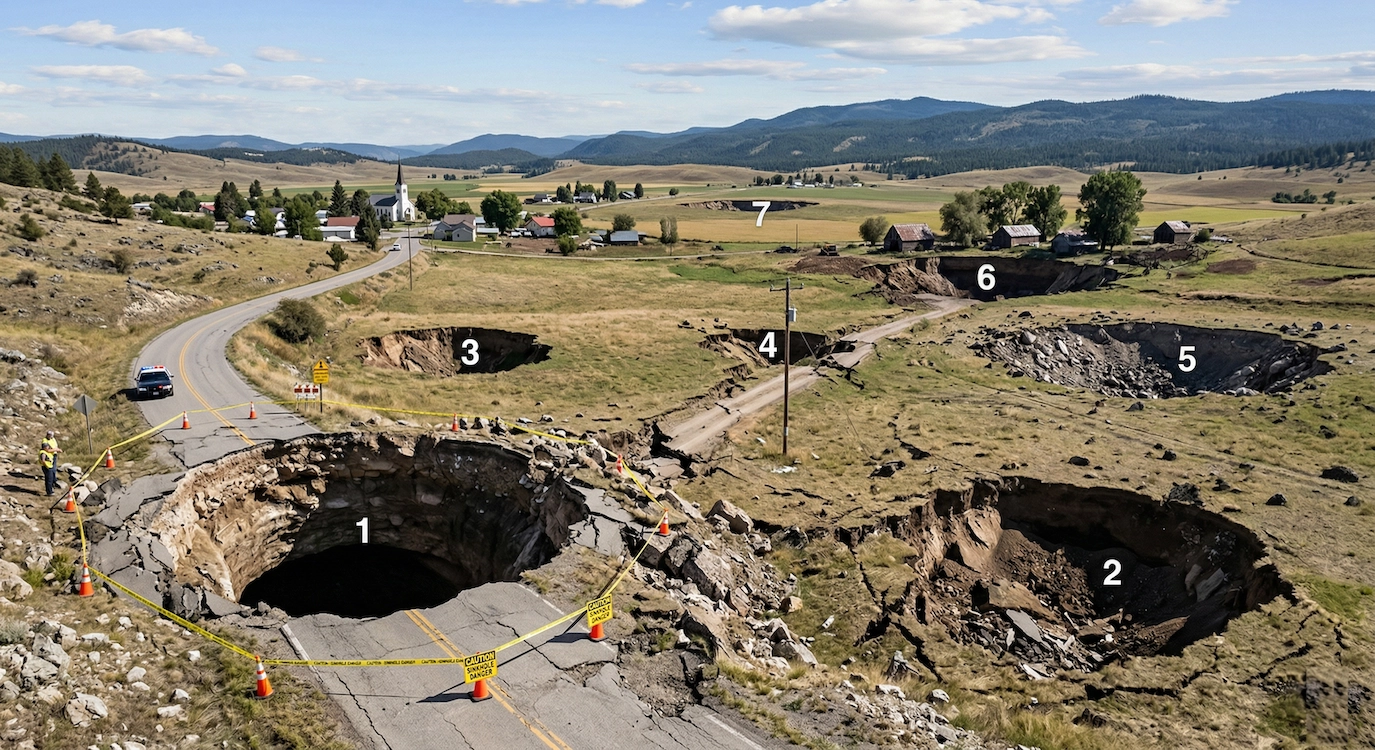
When you first start out in software development, you think the job is about typing code as fast as possible. But as you gain experience, a sobering reality sets in: writing the actual logic is the fastest part of the job. The real bottlenecks are the friction points: the systemic, architectural and procedural hurdles that drain your cognitive load and shatter your state of flow. If you feel like your days are being eaten alive by things that aren’t engineering, you aren’t alone. In my 18 years in the industry, I’ve witnessed and experienced these time drains firsthand. Here is a breakdown of the biggest time consumers in modern software development, along with actionable ways to reclaim your hours. ...

If you’ve followed my journey, you know I have a deep-rooted love for Flutter. It has been my go-to tool, my playground, and the foundation of some of my favorite projects. But growth often requires stepping out of our comfort zones, and recently, my career trajectory has started to shift. I am moving away from being a pure Flutter specialist and stepping into the broader world of full-stack development. This wasn’t a decision I made overnight, nor is it a knock against the framework. Rather, it’s a reflection of where the industry is heading and where I want to be as an engineer. Here is why I am making the shift. ...
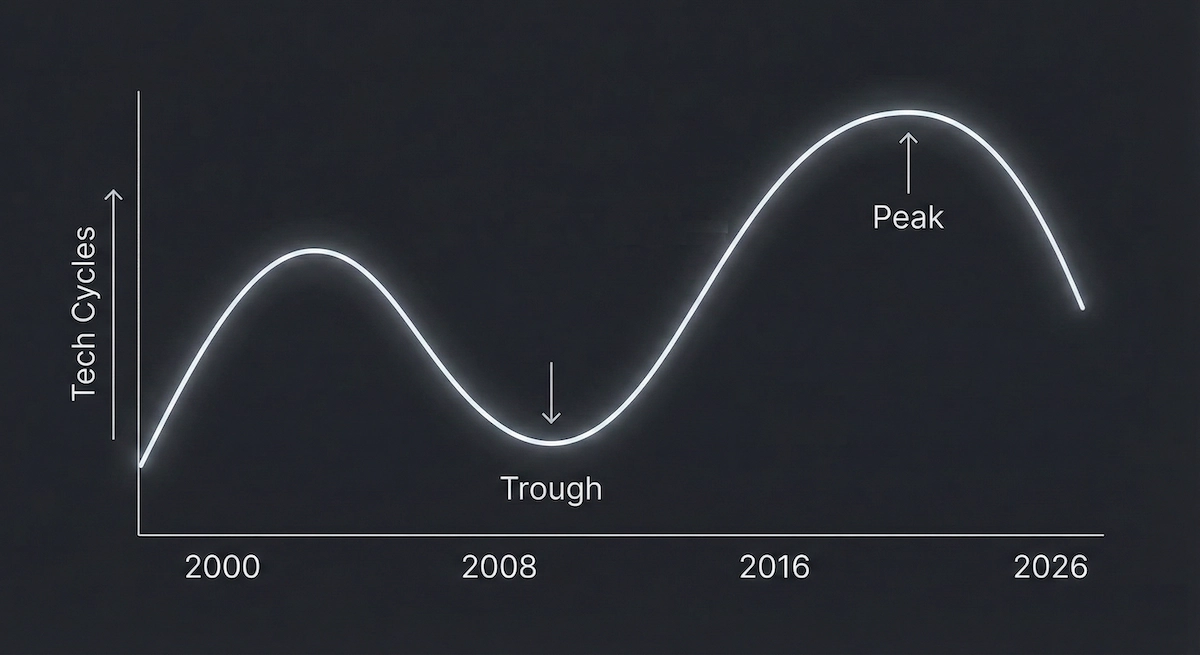
In 2008 I was a young 21 year old recent graduate in the midst of the global financial crisis. The cloud was emerging and a lot of engineers were worried about security and reliability of cloud services. Ray Dalio often says that ‘most of what happens in the world is just the same things happening over and over again.’ This is very true in the tech industry. During my career I went through three of these cycles and currently in the middle of my fourth cycle. In this article I want to share my experience with each of them. ...